Thea Products
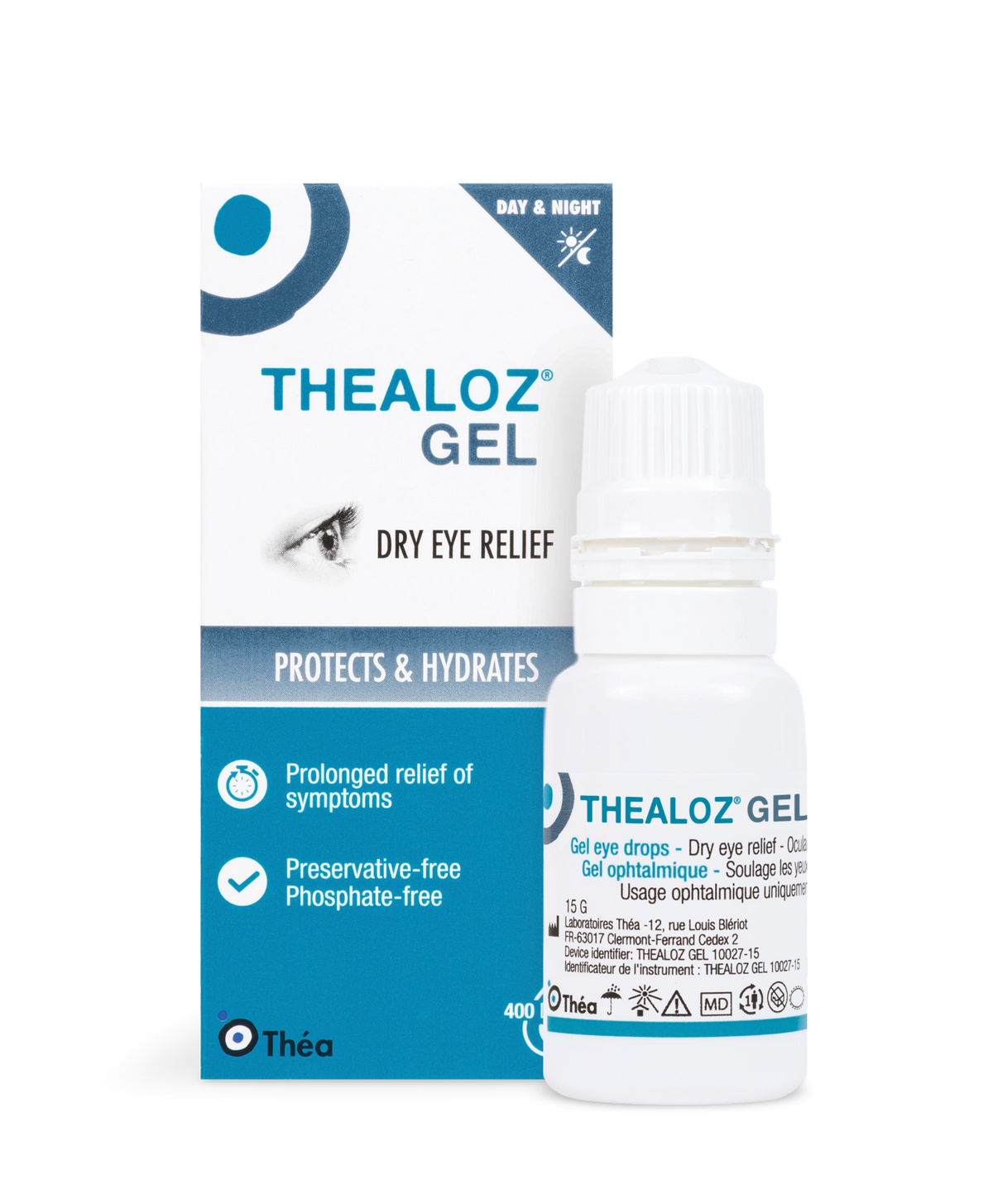


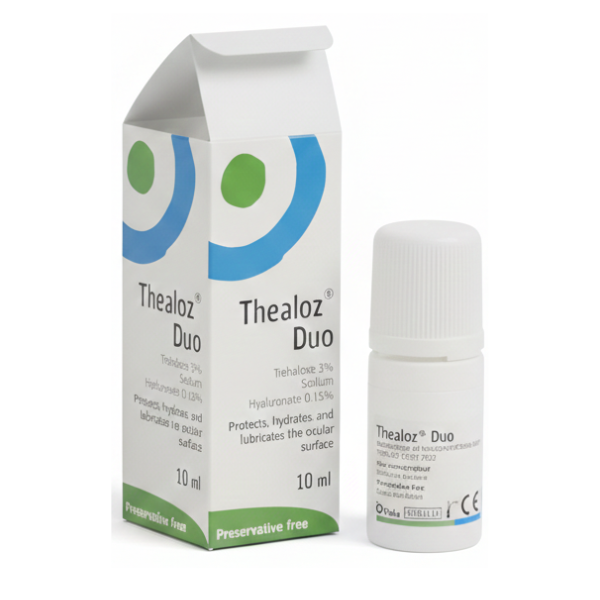
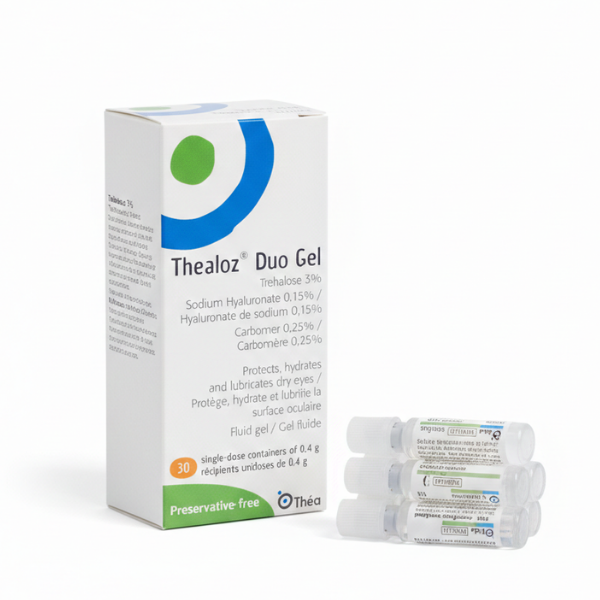


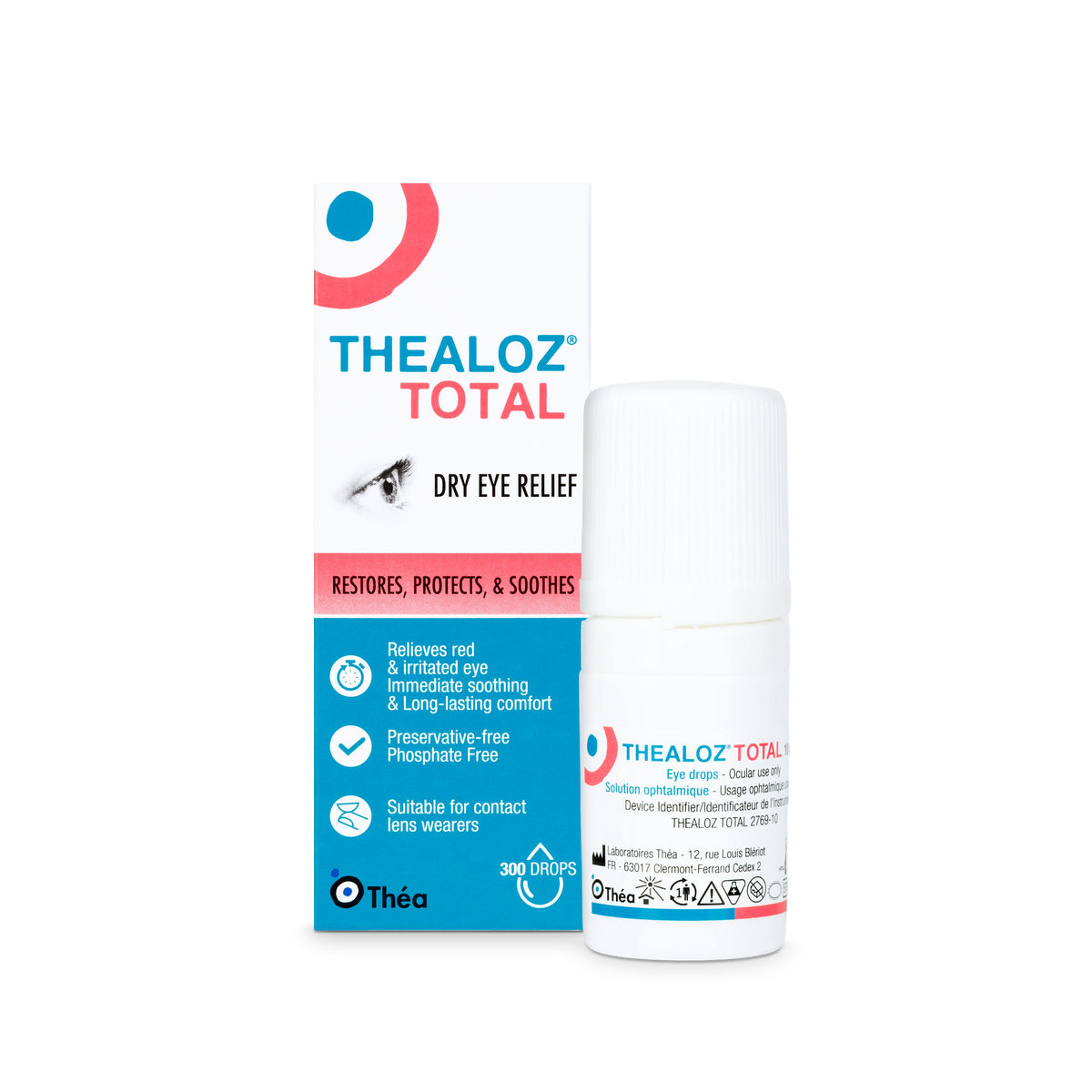
Most eye drops you find in your local pharmacy shelf are hyaluronic acid dissolved in saline. Cheap to make, fine for the occasional dry spell, not much help if you're reaching for the bottle every hour. Thealoz is built around a different ingredient.
Trehalose is a sugar. Some of the toughest organisms on Earth produce it as a survival mechanism. Moss that resurrects after sitting bone-dry for a decade. Brine shrimp eggs, dormant in dust for years. Tardigrades, which famously don't die in a space vacuum. These creatures don't tolerate dehydration, they sleep through it. Trehalose is a big part of how.
Put it in an eye drop and it stabilises the cells on your corneal surface so they stop giving up moisture as quickly, so you dont need to be reaching for the bottle as often,
Why preservative-free, and what ABAK and Novelia actually are
Benzalkonium chloride. BAK for short. It's in most preserved eye drops, and its job is keeping the bottle sterile between uses.
Its other job, the one the label doesn't advertise, is slowly damaging the surface of your eye. Not a fringe opinion, published research going back to the 90s. Use a preserved drop once a week, fine. Use it ten times a day (welcome to dry eye) and you're stacking BAK toxicity on top of the problem your trying to solve.
Théa fixed it with thier two bottle systems:
-
ABAK. A mechanical one-way filter. Used in Thealoz Duo and Hyabak. Preservative-free, reusable, 300 drops per bottle, sterile for the life of the bottle without a chemical in sight.
-
Novelia. Newer. A silicone valve opens when you squeeze and seals the second you let go. Built specifically for the thicker formula in Thealoz Gel. More precise dosing, no dribble, designed for viscous drops that a mechanical filter couldn't deliver properly.
Who this actually helps
Post-surgical eyes
Cataracts, LASIK. PRK. your surgeon almost certainly sent you home with preservative-free drops. Trehalose adds a bonus in that recovery window, always check with the surgeon who did the procedure.
Contact lens wearers
Lenses absorb whatever's in your drops, Thealoz Duo and Hyabak are both lens-safe. Gel isn't, this is best for after the lenses come out at night.
Screen users
Staring at a screen drops your blink rate by 60%. Your tears stop being redistributed properly, patches of your eye surface stay exposed, and an HA-only drop buys you maybe 20 minutes of relief. Thealoz Duo's trehalose holds for around 4 hours. Gel goes longer perfect if you're trying to survive a 3-hour Zoom call.
What else actually moves the needle
Drops manage the symptom buy they don't fix the root cause. Most dry eye is either evaporative (oil glands not producing enough lipid to cap your tear film), aqueous-deficient (not enough tears in the first place), or both. To get ahead of it:
-
Omega-3 supplements. EPA and DHA reduce meibomian gland inflammation. More oil in the tear film, less evaporation. Takes 2-3 months to notice, though most people don't take enough.
-
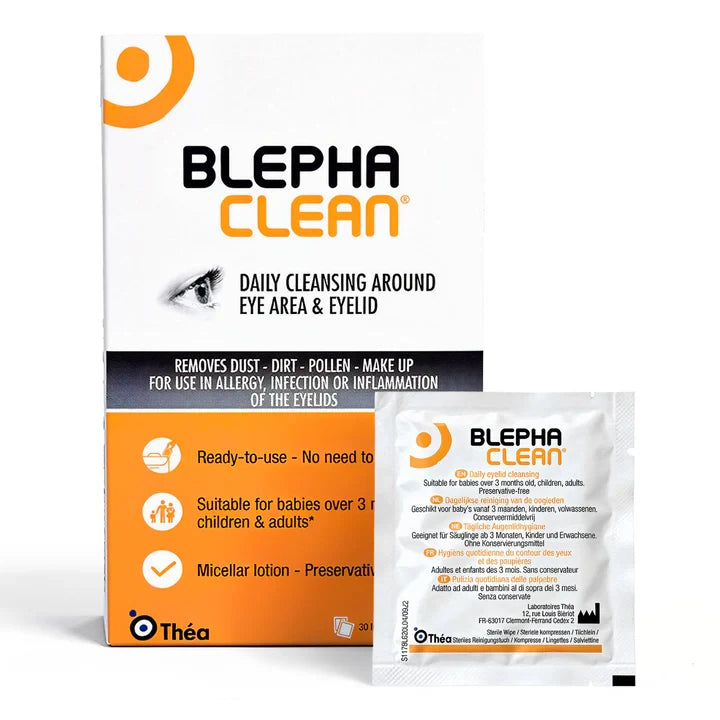
Lid hygiene. Warm compress plus daily lid cleaning with Blephaclean Wipes One minute a day. When drops have stopped working, clogged meibomian glands are usually the reason.
-
Environment. Humidifier in dry rooms. Sunglasses against Prairie wind, which does more damage to tear film than most Canadians realise. 20-20-20 rule if you can keep to it.
-
Water in, tears out. Boring advice sometimes the best.
When to close the tab and book an exam
Drops manage your dry eye, they don't diagnose it. If you are experience any of these symptoms, book an optometrist:
-
Actual pain. Not dryness, not discomfort. Sharp or aching.
-
Vision changes. Blurriness that doesn't clear after a blink or two. Sudden shift in either eye.
-
Discharge. Especially if it's coloured, sticky, or crusts overnight.
-
Drops that used to work, now don't. Something underneath has shifted.
-
Light sensitivity or redness that lingers. Usually inflammation past what a drop can reach.
A dry eye workup at any Canadian optometrist is covered under most provincial plans once a year. Don't wait until it's an emergency.
About Théa Pharma
Family-owned. Independent. French. Based in Clermont-Ferrand, making preservative-free drops since 1994. Théa invented both the ABAK and Novelia bottle systems, which is why competitors can't ship equivalent preservative-free multidose bottles without licensing the tech. Their products are in over 75 countries. In Canada, Théa distributes through optometry clinics and authorised retailers like us.
